
Kitchen Renovation Services for Modern Functional Living
The kitchen has evolved far beyond its traditional role as a place to prepare meals. Today, it serves as the center of family life, a gathering space for entertaining, a remote workspace, and often the most frequently used room in the home. As lifestyles continue changing, homeowners are placing greater emphasis on kitchens that combine efficient layouts, durable materials, and personalized storage solutions.
Because of this shift, DreamHomeWorks Kitchen Remodeling has become increasingly focused on designing kitchens that improve everyday functionality rather than simply updating appearances. A successful remodel should simplify daily routines, maximize available space, and continue performing well for many years.
Industry research consistently shows that kitchens remain one of the highest-priority remodeling projects because they directly influence both daily living and long-term property appeal. While trends may evolve, thoughtful planning and quality craftsmanship continue delivering lasting value.
The Numbers Behind Modern Kitchen Remodeling
- Kitchen renovations consistently rank among the most popular home improvement projects.
- Storage capacity and functionality are frequently cited as top remodeling priorities.
- Many homeowners remodel to improve everyday usability rather than simply refresh aesthetics.
One of the biggest misconceptions about remodeling is that homeowners renovate primarily for cosmetic reasons. In reality, functionality often becomes the driving force behind a successful project. Limited storage, outdated layouts, insufficient lighting, and inefficient work areas are common reasons homeowners begin planning a renovation.
Rather than focusing on individual upgrades, today’s remodeling projects increasingly view the kitchen as a complete system where cabinetry, lighting, appliances, storage, and workflow all contribute to the overall experience.
| Primary Remodeling Goal | Relative Importance |
|---|---|
| Improve functionality | Very High |
| Increase storage | Very High |
| Update appearance | High |
| Support entertaining | High |
| Improve resale appeal | Moderate to High |
Across the remodeling industry, projects that improve storage, workflow, and organization generally provide higher long-term homeowner satisfaction than projects focused solely on cosmetic updates.
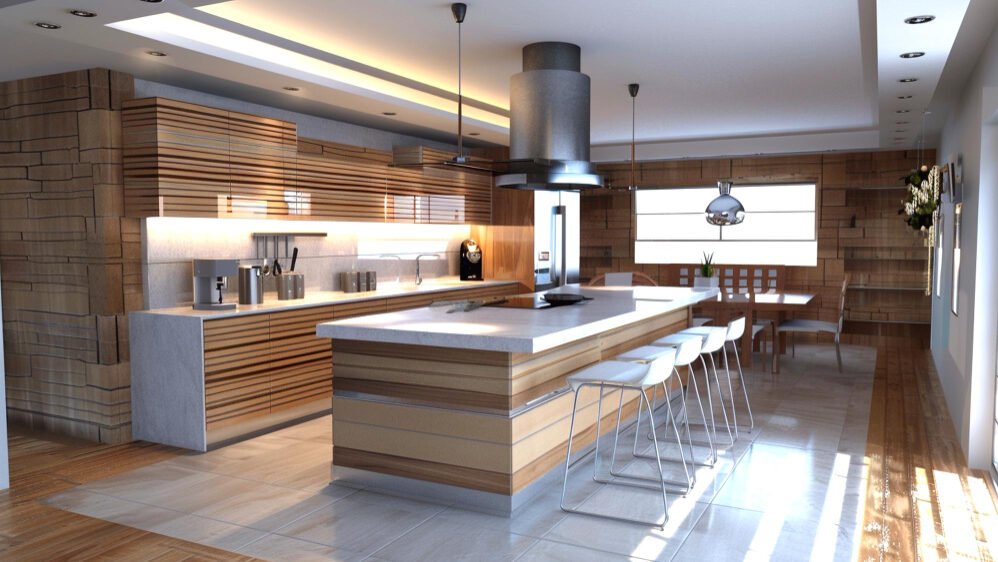
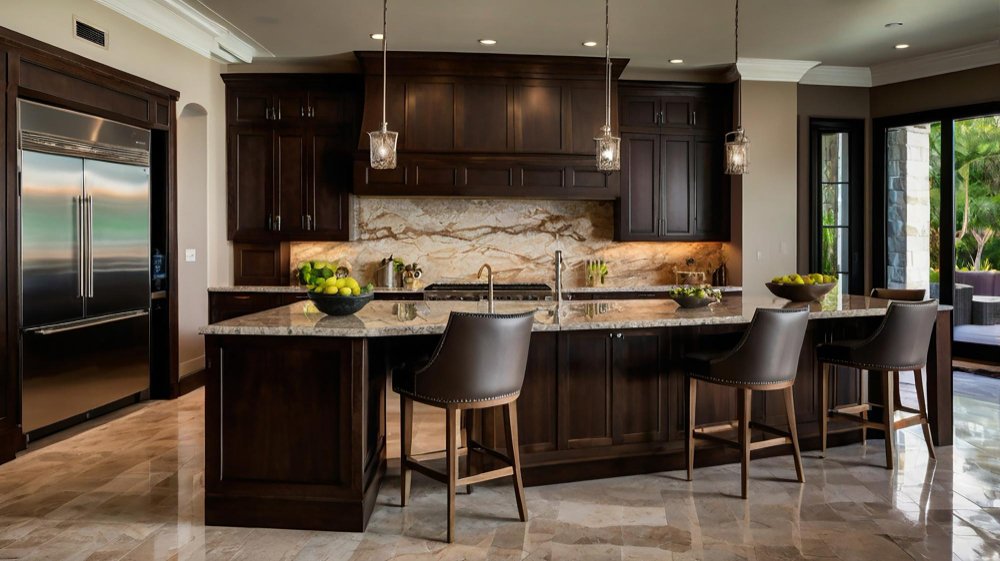
This shift explains why open layouts, larger islands, integrated pantry systems, and customized storage continue appearing in modern remodeling projects. Homeowners increasingly expect kitchens to support multiple daily activities without feeling crowded or inefficient.
Where Remodeling Budgets Deliver the Greatest Value
Understanding how renovation budgets are typically allocated helps homeowners make informed decisions before construction begins. While countertops and finishes often receive the most attention, cabinetry, labor, and infrastructure frequently represent the largest portions of the investment.
Some of the most valuable remodeling improvements remain hidden after construction is complete. Electrical upgrades, plumbing modifications, ventilation improvements, and structural adjustments often contribute significantly to the long-term performance of the kitchen.
| Project Category | Typical Budget Share |
|---|---|
| Cabinetry | 25–35% |
| Labor | 25–35% |
| Countertops | 10–15% |
| Appliances | 10–20% |
| Flooring | 8–12% |
| Lighting | 5–10% |
| Permits & Design | 5–10% |
| Contingency Reserve | 10–20% |
Many experienced remodelers recommend establishing a contingency fund before construction begins. Older homes may reveal hidden plumbing issues, outdated wiring, or structural conditions that cannot be identified until demolition starts.
Projects with clearly defined budgets and contingency planning generally experience fewer costly delays than renovations that begin without financial flexibility.
Why Kitchen Layout Has a Greater Impact Than Decorative Finishes
Cabinet color often receives the most attention during remodeling discussions, but layout has a much greater influence on how a kitchen functions every day.
A well-designed layout reduces unnecessary movement, improves accessibility, and creates a more comfortable cooking experience. Even premium materials cannot compensate for poor workflow if appliances, preparation areas, and storage locations are poorly positioned.
| Traditional Kitchen | Modern Kitchen |
|---|---|
| Limited storage | Integrated storage systems |
| Closed floor plan | Open-concept layout |
| Minimal task lighting | Layered lighting design |
| Standard cabinetry | Customized organization |
| Isolated work areas | Efficient workflow zones |
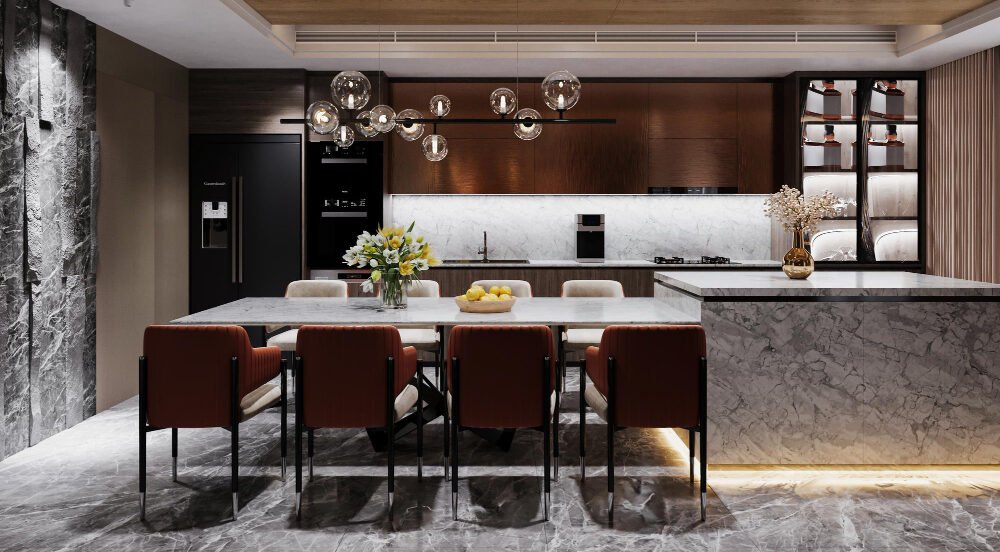
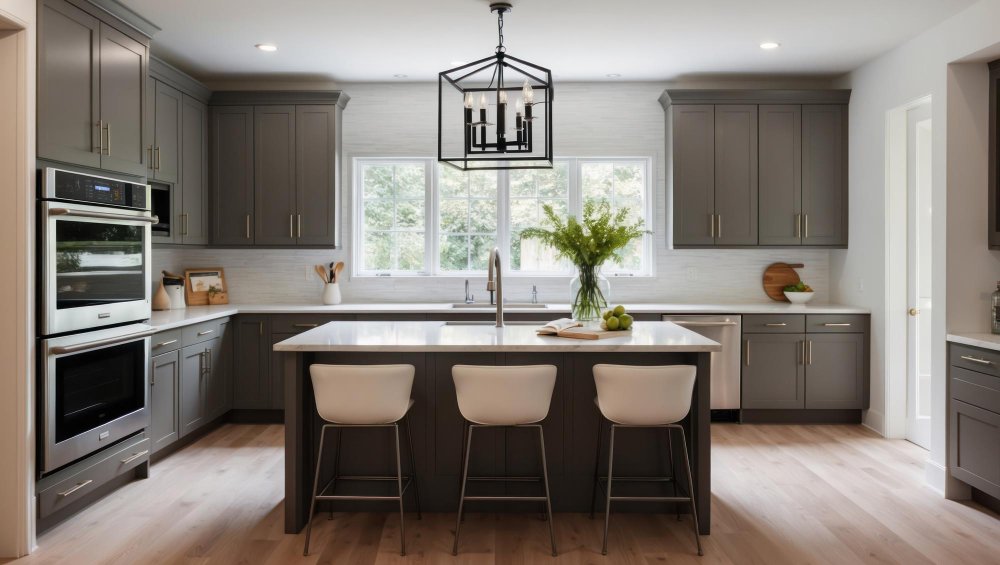
Instead of designing around available cabinet sizes, modern remodeling begins by analyzing how homeowners actually use the kitchen throughout the day. Food preparation, cooking, cleaning, storage, and entertaining are organized into functional zones that improve efficiency without increasing square footage.
This planning-first approach creates kitchens that remain practical long after design trends change, making layout one of the highest-value investments in any remodeling project.
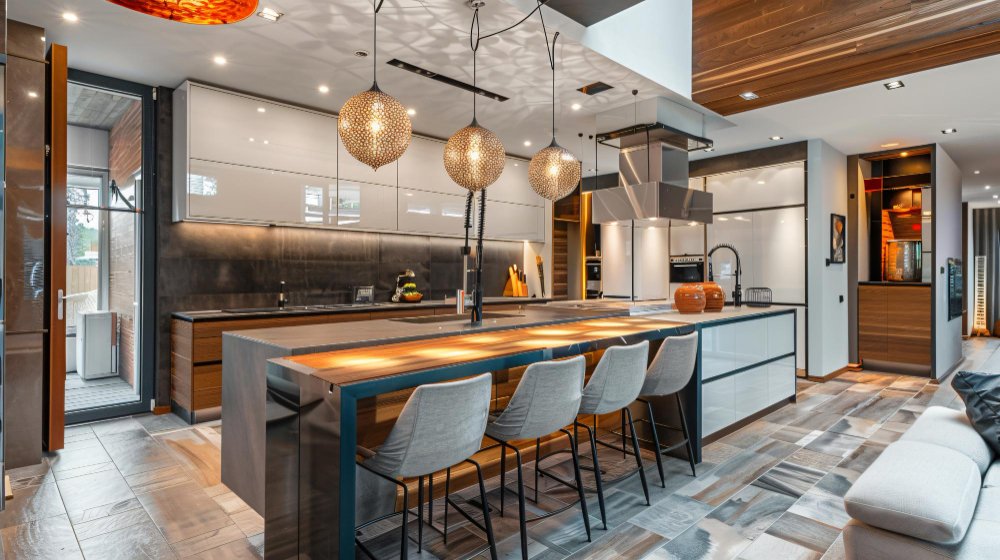
Cabinet Systems: Comparing Standard Storage with Custom Solutions
Cabinetry typically represents the largest single investment in a kitchen remodel, making it one of the most important decisions homeowners face. Beyond appearance, cabinet construction influences storage capacity, accessibility, maintenance, and long-term durability.
Modern custom cabinetry emphasizes efficient organization through deeper drawers, pull-out storage, corner optimization, and integrated pantry systems. Many homeowners researching premium cabinet options compare systems such as DreamLine Cabinetry because they offer greater flexibility than standard stock cabinets.
Cabinet quality affects far more than appearance. Box construction, drawer hardware, shelving design, and moisture resistance all contribute to long-term performance.
| Feature | Standard Cabinets | Custom Cabinet Systems |
|---|---|---|
| Storage Efficiency | Moderate | Excellent |
| Layout Flexibility | Limited | Highly Personalized |
| Corner Storage | Basic | Optimized |
| Pantry Organization | Standard Shelving | Pull-Out Systems |
| Interior Accessories | Optional | Extensive |
| Long-Term Adaptability | Moderate | High |
Homeowners often report the greatest day-to-day satisfaction from improvements that increase storage accessibility and reduce countertop clutter rather than from decorative upgrades alone.
The Most Common Kitchen Remodeling Mistakes
Even well-planned renovations can become more expensive or less functional when critical planning steps are overlooked. Most avoidable problems occur before construction begins rather than during installation.
| Planning Mistake | Potential Impact | Recommended Solution |
|---|---|---|
| Choosing finishes before finalizing layout | Inefficient workflow | Complete space planning first |
| Underestimating storage needs | Countertop clutter | Plan dedicated storage zones |
| Ignoring lighting design | Poor visibility | Layer ambient, task, and accent lighting |
| Selecting appliances too late | Cabinet modifications | Confirm appliance dimensions early |
| Skipping contingency planning | Budget overruns | Reserve funds for unexpected conditions |
- Layout decisions are difficult and expensive to change after installation begins.
- Accurate measurements reduce material waste and installation delays.
- Early coordination between cabinetry, plumbing, lighting, and appliances improves project efficiency.
Don’t wait!
Contact us now to schedule your consultation and discover how we can transform your kitchen into the heart of your home!
Long-Term Value Beyond Initial Remodeling Costs
Kitchen remodeling should be evaluated over many years rather than by initial construction costs alone. Durable materials, efficient layouts, and quality workmanship can reduce maintenance needs while improving everyday usability.
| Kitchen Upgrade | Daily Functional Value | Long-Term Benefit |
|---|---|---|
| Custom Cabinetry | Excellent | Improved storage and organization |
| Modern Lighting | High | Better visibility and ambiance |
| Kitchen Island | Excellent | Additional workspace and seating |
| Pantry Organization | High | Reduced clutter |
| Energy-Efficient Appliances | High | Lower operating costs |
Projects that balance functionality, storage, and durable materials generally provide greater long-term homeowner satisfaction than projects focused primarily on appearance.
Design Trends Supported by Industry Research
Current kitchen design trends emphasize practicality as much as aesthetics. Homeowners increasingly favor open layouts, concealed storage, integrated appliances, layered lighting, and durable finishes that remain attractive over time.
Design publications and remodeling resources such as Homes Holder frequently highlight projects that combine timeless materials with personalized organization rather than short-lived decorative trends. This reflects a broader movement toward kitchens that continue performing well even as design preferences evolve.
| Emerging Trend | Primary Advantage |
|---|---|
| Large multifunctional islands | Additional workspace and seating |
| Integrated pantry storage | Improved organization |
| Layered lighting | Better visibility and atmosphere |
| Natural finishes | Timeless appearance |
| Smart appliance integration | Greater convenience |
- Functionality and storage consistently rank among the highest remodeling priorities.
- Cabinetry typically represents one of the largest portions of a renovation budget.
- Thoughtful layout planning often delivers greater daily value than cosmetic upgrades alone.
- Well-designed kitchens combine efficient workflow, durable materials, and adaptable storage solutions.
Final Analysis
A successful kitchen remodel is measured by more than attractive finishes. Long-term value comes from careful planning, efficient layouts, quality materials, and storage systems designed around everyday routines. When these elements work together, homeowners benefit from a kitchen that is easier to use, simpler to maintain, and better suited to changing household needs.
Rather than following short-term design trends, prioritizing functionality, durable construction, and personalized organization creates a kitchen that continues delivering comfort, efficiency, and lasting value for years after the remodeling project is complete.
Comments are closed